Why Practical Skill Training is the Future of Education in India
In today's fast-changing industrial landscape, traditional education alone is no longer enough to build a successful career. While theoretical knowledge provides a foundation, it is practical skills that truly prepare individuals for real-world challenges. Many students graduate with degrees but struggle to find jobs because of the growing skill gap. Industries today require hands-on experience, but most academic systems still focus heavily on theory. Employers are not just looking for qualifications; they want candidates who can operate machines, solve real-time problems, understand workplace systems, and deliver results from day one.
Practical training plays a crucial role in bridging the gap between learning and doing. It allows students to gain hands-on experience, work with real tools and equipment, understand industrial processes, and build confidence in their abilities. For instance, learning CNC programming in a classroom provides knowledge, but actually operating a CNC machine is what makes a student job-ready. This kind of exposure ensures that students are prepared to handle real workplace challenges effectively.
...SkillServe
Practical training plays a crucial role in bridging the gap between learning and doing. It allows students to gain hands-on experience, work with real tools and equipment, understand industrial processes, and build confidence in their abilities. For instance, learning CNC programming in a classroom provides knowledge, but actually operating a CNC machine is what makes a student job-ready. This kind of exposure ensures that students are prepared to handle real workplace challenges effectively.
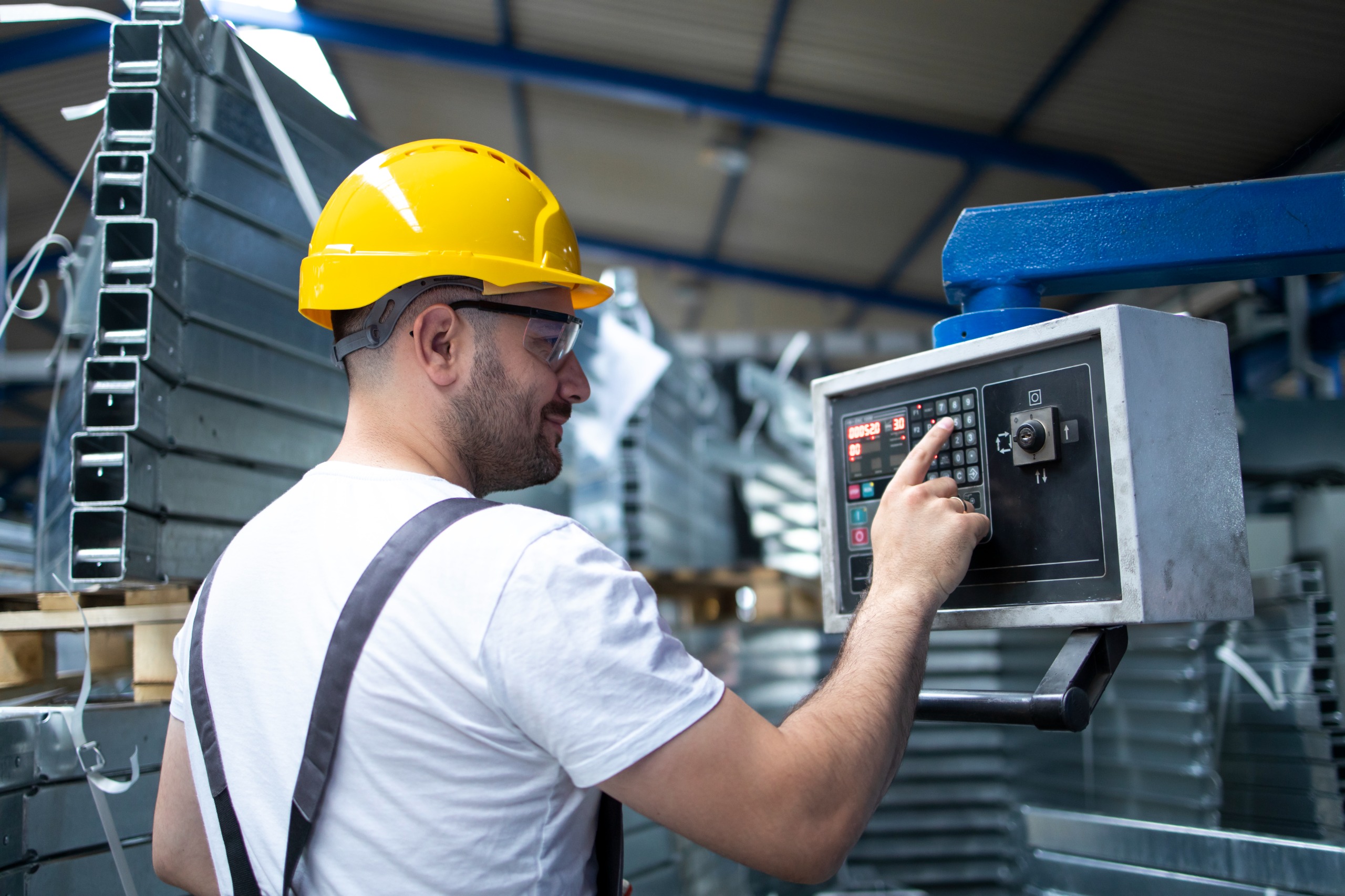
With the rise of Industry 4.0 technologies such as automation, robotics, and smart manufacturing, the demand for skilled professionals is increasing rapidly. Courses like CNC/VMC Programming, PLC Automation, Electric Vehicles (EV), and CAD/CAM are opening new career opportunities for students. Skill-based learning is becoming the backbone of modern education, as industries seek professionals who can contribute immediately without extensive training.
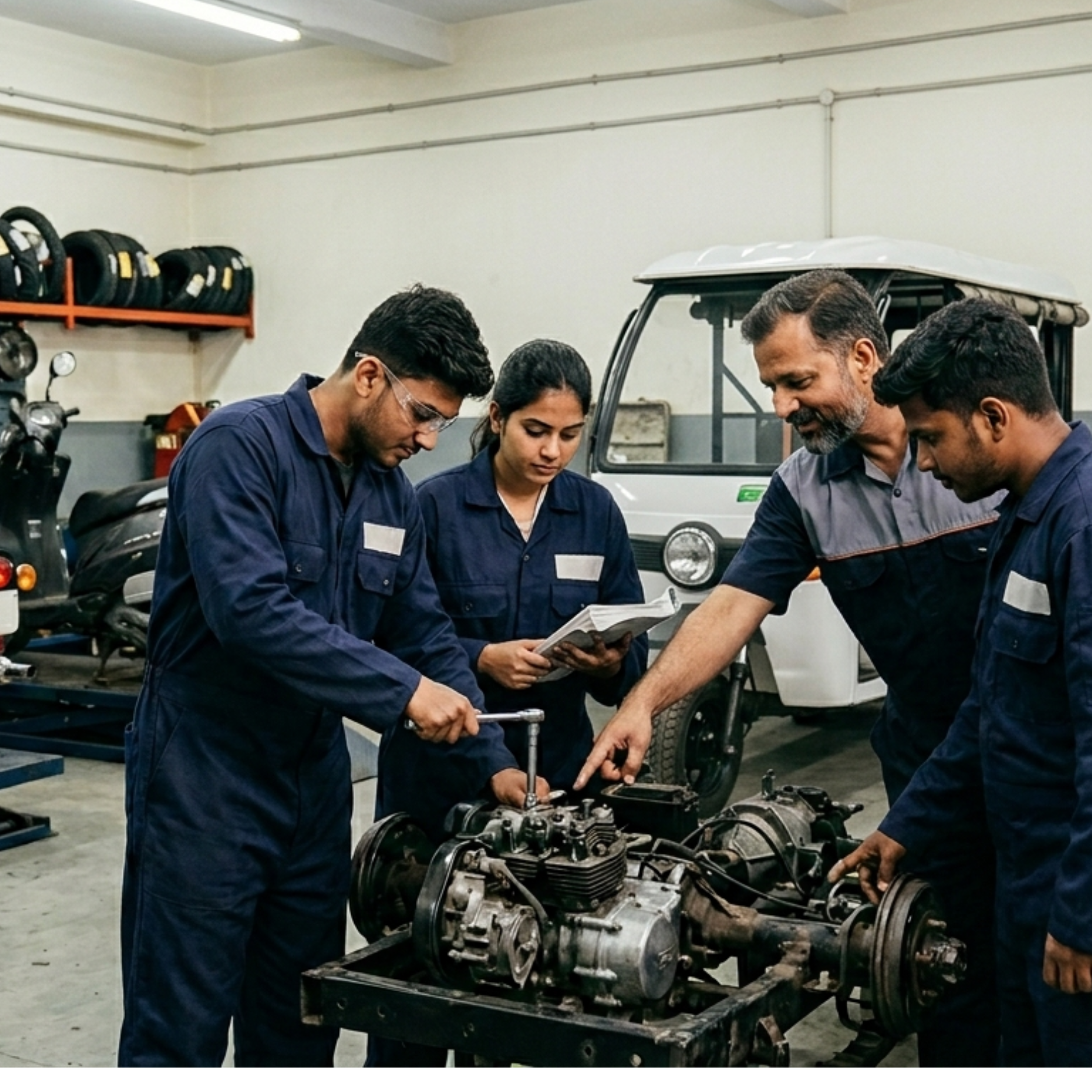
In conclusion, the future belongs to those who can apply knowledge, not just understand it. Practical skill training is no longer optional—it is essential. Students who focus on developing hands-on skills today will become the workforce leaders of tomorrow, equipped to succeed in an increasingly competitive and technology-driven world.